How to Sell a Home in Renton With Strong Preparation
June 11, 2026
June 11, 2026
If you are thinking about selling in Renton, your first showing starts long before a buyer walks through the door. In today’s market, buyers are moving quickly on the right homes, but they also have more choices than they did a year ago. That means smart preparation can make a real difference in your price, timeline, and stress level. Let’s look at how to get your Renton home ready for a successful sale.
Renton is still an active selling market, but it is not a market where you can count on weak preparation or an ambitious price to work out later. Recent data shows homes in Renton sold in about 11 days on average over the three months ending April 2026, with about 2 offers per home on average. At the same time, Realtor.com reported 422 homes for sale in March 2026, up 28.34% from a year earlier, which means buyers have more options.
That mix matters. Well-priced homes are still moving, and homes are often selling at about asking price on average, but buyers are comparing more listings before they act. In King County, active listings were also up nearly 30% year over year in April 2026, with 3.00 months of inventory, so your home needs to stand out for the right reasons from day one.
One of the biggest mistakes sellers make is waiting too long to get organized. Zillow’s seller guidance says many sellers who hit their target price and timeline start preparing 60 to 90 days before listing. That gives you enough time to make decisions without feeling rushed.
A longer runway also helps you avoid last-minute spending on the wrong things. Instead of reacting, you can build a plan for pricing, repairs, cleaning, staging, photography, and paperwork in a logical order. That kind of steady preparation usually creates a better launch.
Here is a practical way to think about your timeline:
Pricing is one of the most important parts of your sale. In a market like Renton, where buyers still move fast on the right home but have more inventory to compare, your list price needs to feel credible immediately. A home that feels overpriced can lose momentum even in a market that still favors sellers.
The strongest pricing approach starts with recent comparable sales and current competition. Zillow recommends looking at similar homes within about a half-mile radius, along with days on market and the unique features that affect value. That means your pricing should reflect what buyers are actually choosing right now, not just what you hope the home will bring.
When your home is priced well from the start, you are more likely to:
In Renton, where homes are selling at about asking price on average, pricing correctly at launch matters even more than it does in a market with heavy over-asking activity.
When buyers start their search, they usually see your home online before they ever visit in person. That makes presentation a major part of your sales strategy, not just a finishing touch. NAR reports that 81% of buyers found listing photos to be the most useful feature in their online home search.
The takeaway is simple. If your home looks clean, bright, and easy to understand in photos, more buyers are likely to schedule a showing. If it looks crowded, dark, or visually busy, some buyers may move on before they ever step inside.
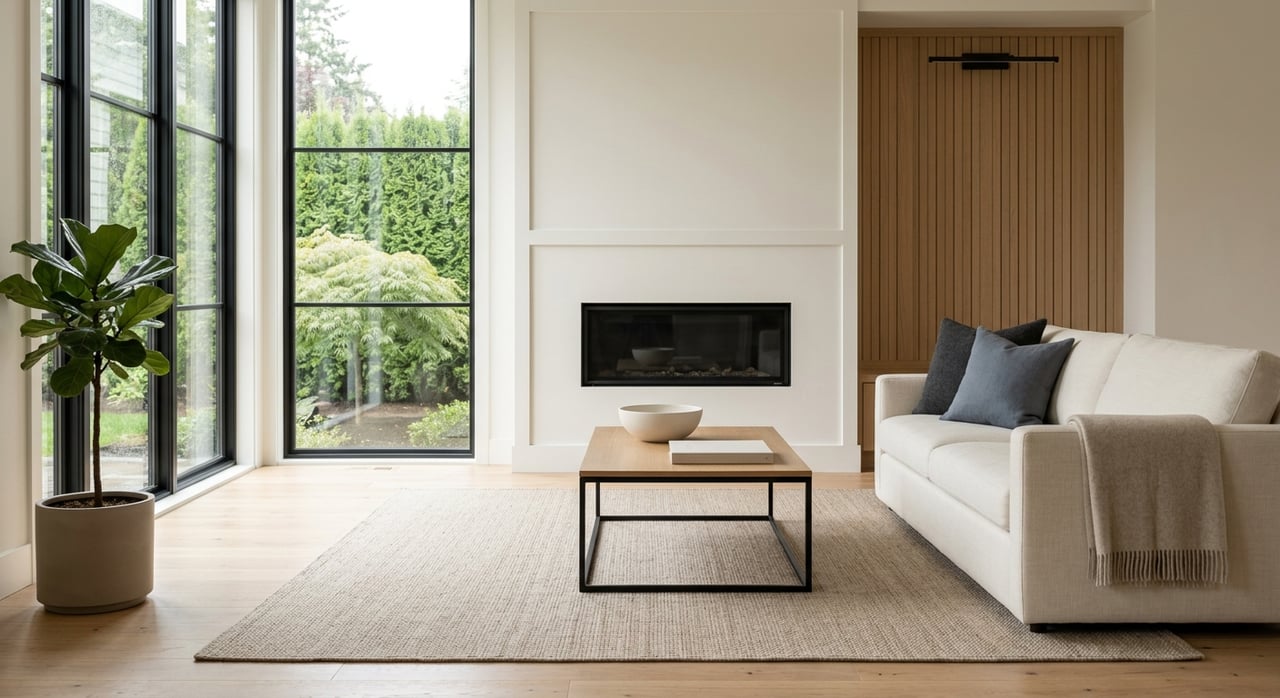
You do not need to stage every corner of the house to make a strong impression. NAR’s 2025 staging report found that the rooms staged most often were the living room, primary bedroom, and dining room. It also found that 83% of buyers’ agents said staging made it easier for buyers to picture the home as their future home.
That matters in a competitive Renton market. If you are deciding where to spend time and money, start with the rooms buyers notice first and remember most.
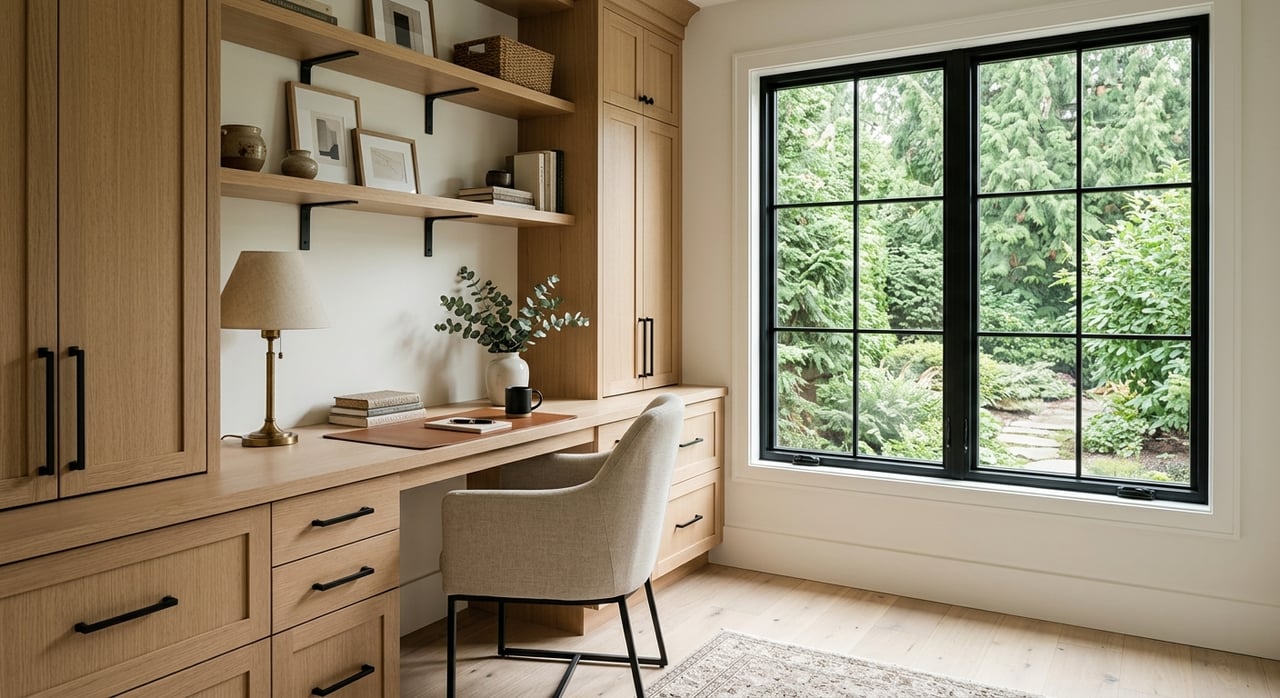
Prioritize these spaces:
Cameras tend to magnify clutter, dust, and everyday distractions. That is why photography should happen after cleaning and staging, not before. A polished photo shoot can help your listing compete better the moment it hits the market.
Before photos, aim for a home that feels simple, bright, and spacious. Open blinds to bring in natural light, remove magnets and papers from the refrigerator, reduce extra furniture where needed, and keep accessories minimal. The goal is not to make your home feel empty. It is to make it easy for buyers to focus on the space itself.
Your online presentation and your in-person showings should match. Zillow notes that a comfortable, neutral presentation during showings helps buyers feel that the home they saw online is the one they are visiting in real life.
That means once photos are done, try to keep up the same standard. Put away daily clutter, maintain fresh towels and clean counters, and keep the home feeling light and welcoming. Consistency helps buyers stay confident.
You do not need a full remodel to get your home ready to sell. In fact, current guidance points sellers toward fixing obvious issues first and avoiding over-renovating. Zillow says 72% of sellers complete at least one improvement before listing, but it recommends focusing on functionality problems like leaky faucets, squeaky doors, and non-working outlets.
These may seem small, but buyers notice them. Minor problems can make a home feel less maintained, even when the larger systems are in solid shape. Small repairs often deliver more value than expensive updates that do not match buyer expectations.
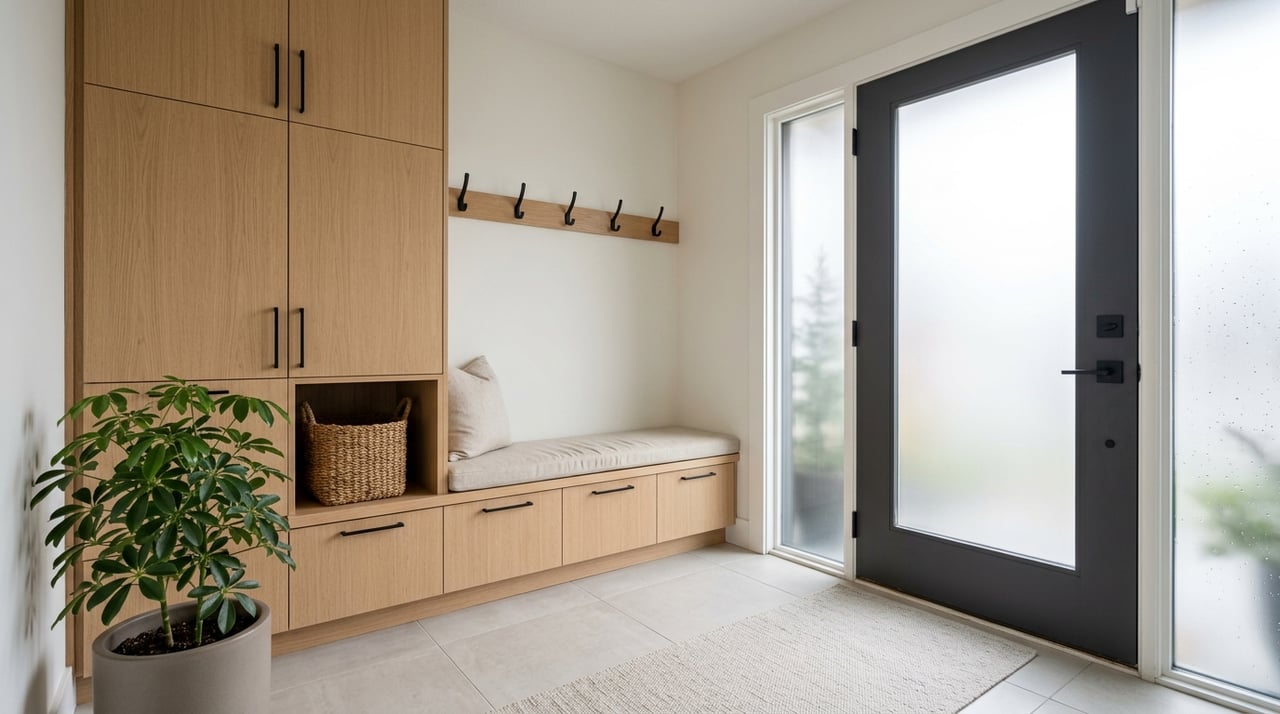
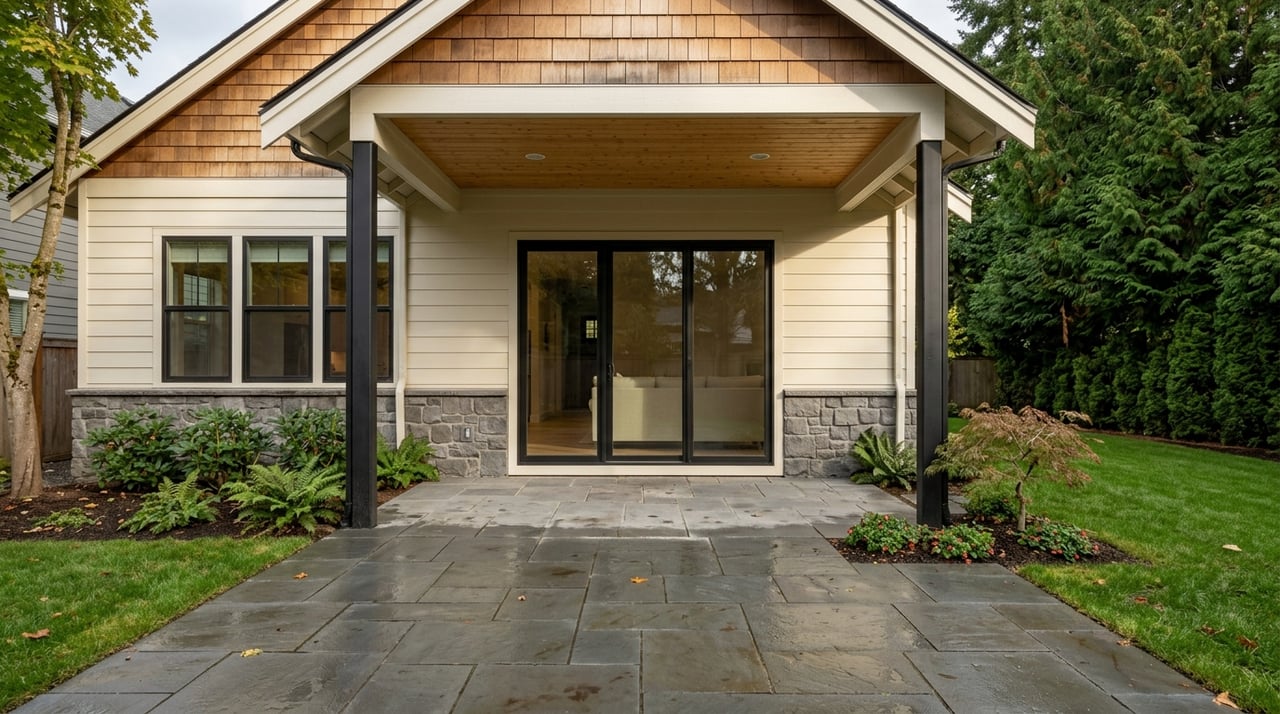
Some of the most helpful updates are simple and visual. Fresh neutral paint, clean windows, lawn care, tidy landscaping, and an updated front entry can all make a home feel move-in ready without a major project.
Consider focusing on:
Preparing your home for sale is not only about appearance. In Washington, document readiness also affects your timeline. Under RCW 64.06.030, sellers of residential real property must provide a completed, signed, and dated disclosure statement within five business days after mutual acceptance unless the buyer waives the right to receive it. After receiving it, the buyer has three business days to rescind.
If your home was built before 1978, federal law also requires disclosure of known lead-based paint or hazards before contract signing, along with the required lead notices and pamphlet. Getting these items organized early can help prevent delays once you are under contract.
When sellers wait until the last minute to gather disclosures and property details, the process can feel much more stressful than it needs to. Early preparation gives you time to review what you know, locate records, and ask questions before deadlines are tight.
This is especially helpful if you have owned your home for many years, completed improvements over time, or are coordinating a move that includes a purchase, downsizing plan, or relocation timeline.
A pre-inspection is not required, but Zillow notes that it can reduce post-offer negotiations in some cases. For some sellers, it offers a clearer picture of what buyers may flag later. That can make it easier to decide what to repair now, what to disclose, and what to leave as is.
Whether a pre-inspection makes sense depends on the home, your timeline, and your goals. The main point is to think strategically. You want fewer surprises, better preparation, and a smoother path once offers come in.
For many sellers, this is not just about getting one home ready. It is about coordinating the next step too. National seller research shows the typical seller has owned their home for 11 years, which fits many move-up, downsizing, and transition-focused households.
That is why the best sale plans go beyond cosmetics. You need a clear strategy for price, presentation, timing, and what comes next after closing. When those pieces work together, your sale is more likely to feel organized and successful from start to finish.
In today’s Renton market, the clearest pattern is this: polished homes with realistic pricing still attract attention, while homes that miss the mark on price or presentation have less room for error than they did when inventory was tighter. Buyers have more choices now, so your first launch matters.
That does not mean you need to overspend. It means you should be thoughtful. Start early, fix what is obvious, focus on the rooms and photos buyers will see first, and make sure your pricing reflects the market you are actually in.
If you are getting ready to sell and want a clear plan for pricing, preparation, and launch timing, Phil Rodocker can help you move forward with calm guidance, strong local insight, and a strategy built for the Renton market.
Stay up to date on the latest real estate trends.
Markets change—but experience doesn’t lose its value. With decades of hands-on knowledge in the Pacific Northwest, we guide every client with clarity, strategy, and a steady approach. Whether you're buying, selling, or investing, we focus on making the process smooth, informed, and aligned with what matters most to you.

THE RODOCKER GROUP
JOHN L. SCOTT REAL ESTATE 4735 NE 4TH ST RENTON, WA 98059