Everyday Life And Community In Maple Valley
June 18, 2026
June 18, 2026
Looking for a place where everyday life feels a little more connected to the outdoors? Maple Valley stands out for exactly that reason. If you are considering a move here, or simply want to understand what living in the area is really like, this guide will walk you through the rhythms, gathering places, and housing patterns that shape daily life. Let’s dive in.
Maple Valley is a city of about 28,482 residents, according to the July 1, 2025 Census estimate. The city also has 9,394 households, and about 31.3% of residents are under age 18.
Those numbers help paint a clear picture of Maple Valley as a primarily residential community with many households putting down roots. It is located about 20 miles southeast of Seattle, and city materials highlight trails, parks, and views toward Mt. Rainier as part of its identity.
In Maple Valley, outdoor recreation is not just a weekend plan. It is woven into the way many people spend their mornings, afternoons, and evenings.
Lake Wilderness Park is one of the city’s best-known public spaces, and it offers a wide range of ways to spend time outside. City materials describe the 108-acre park as home to a historic lodge and event center, an arboretum, disc golf, an 18-hole golf course, tennis courts, a play area, picnic areas, a public beach, a non-motorized boat launch, and an outdoor amphitheater.
The park also supports everyday recreation in simple, practical ways. It includes about 3.5 miles of trails, fishing access, boat rentals, and mostly flat trails that are described as largely wheelchair-friendly.
Maple Valley’s outdoor appeal goes well beyond one central park. King County notes that the Cedar River Trail passes through or near Maple Valley and connects with the Green to Cedar Rivers Trail in central Maple Valley.
The city brochure also highlights more than 50 miles of hiking trails and more than 120 miles of mountain bike trails in the surrounding area. Nearby recreation areas named in city materials include Henry's Ridge, Black Diamond Open Space, Summit Ridge, Lake Sawyer, Green River Gorge, and Tiger Mountain.
One of the biggest questions people ask when considering a move is simple: how easy is it to feel connected? In Maple Valley, regular events and community spaces help create those opportunities.
Maple Valley Days is the city’s signature summer festival. The official event site says it takes place the second weekend in June at Lake Wilderness Park.
Current event listings describe it as a free, all-ages festival with vendors, music, food, a parade, kids’ activities, a carnival, and an arts festival. For newcomers and long-time residents alike, it serves as one of the clearest examples of the city’s shared gathering spaces in action.
The Maple Valley Farmers’ Market adds another regular touchpoint to the community calendar. Its 2026 vendor guide says the market takes place at the Maple Valley Legacy Site, 25719 Maple Valley Black Diamond Road SE, every Saturday from 9 a.m. to 2 p.m. from May through October.
The market operates rain or shine and includes farmers, food processors, prepared food vendors, artisans, community nonprofits, and local businesses. That mix gives you a practical way to shop local while also getting familiar with the people and organizations active in the area.
Maple Valley also has year-round places where you can settle into local routines. The Greater Maple Valley Community Center describes itself as an inclusive hub serving Maple Valley and nearby areas.
The Maple Valley Library offers story times, makerspaces, book clubs, tech tutors, study rooms, Wi-Fi, and other programming. For many households, spaces like these can make a new city feel familiar much faster.
Maple Valley does not center its daily errands and dining around one dense downtown district. Instead, the city’s tourism brochure points to multiple retail and restaurant nodes spread across town.
Those include Wilderness Business Park, Maple Valley Plaza, Wilderness Village, Maple Valley Center, Maple Valley Town Square, Four Corners Square, Safeway Plaza, Sawyer's Village, Maple Valley Commons, and Diamond Square. In practical terms, that means convenience is distributed across several commercial pockets.
The local dining mix leans toward casual restaurants, neighborhood gathering spots, and familiar conveniences. The 2026 official business guide lists places such as Vintage Vino & Espresso, Cascadia Pizza Co., Crockett's Public House, DaVine Whiskey & Wine Bar, Hops n Drops, Panera Bread, and Sumo Sushi.
Business information adds a bit more color to the experience. Cascadia Pizza Co. notes Cedar River views and summer live music, Crockett's serves breakfast through dinner and happy hour, DaVine presents itself as a cozy gathering place, and Sumo Sushi identifies Maple Valley as its original location.
For many buyers, this speaks to lifestyle as much as convenience. Maple Valley offers practical access to restaurants and retail without trying to mimic a large urban dining district.
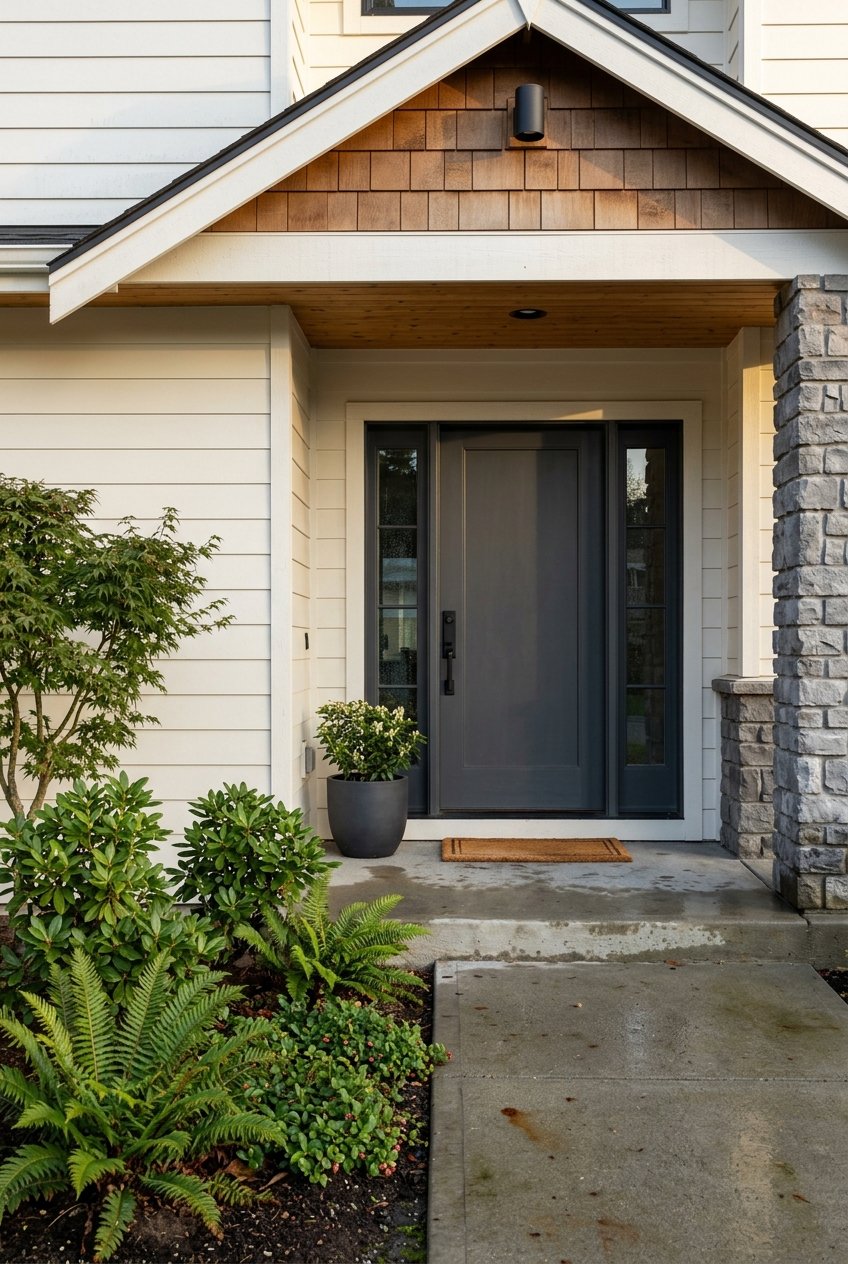
If you are thinking about buying in Maple Valley, the housing mix tells you a lot about what daily life may feel like. The city’s comprehensive plan shows that about 85% of housing structures are one-unit homes.
By comparison, multiunit dwellings make up about 9% of the inventory, and mobile homes account for about 6%. The same plan notes that nearly all identified missing-middle housing in the city is townhomes, with only a duplex and a four-plex found in the inventory.
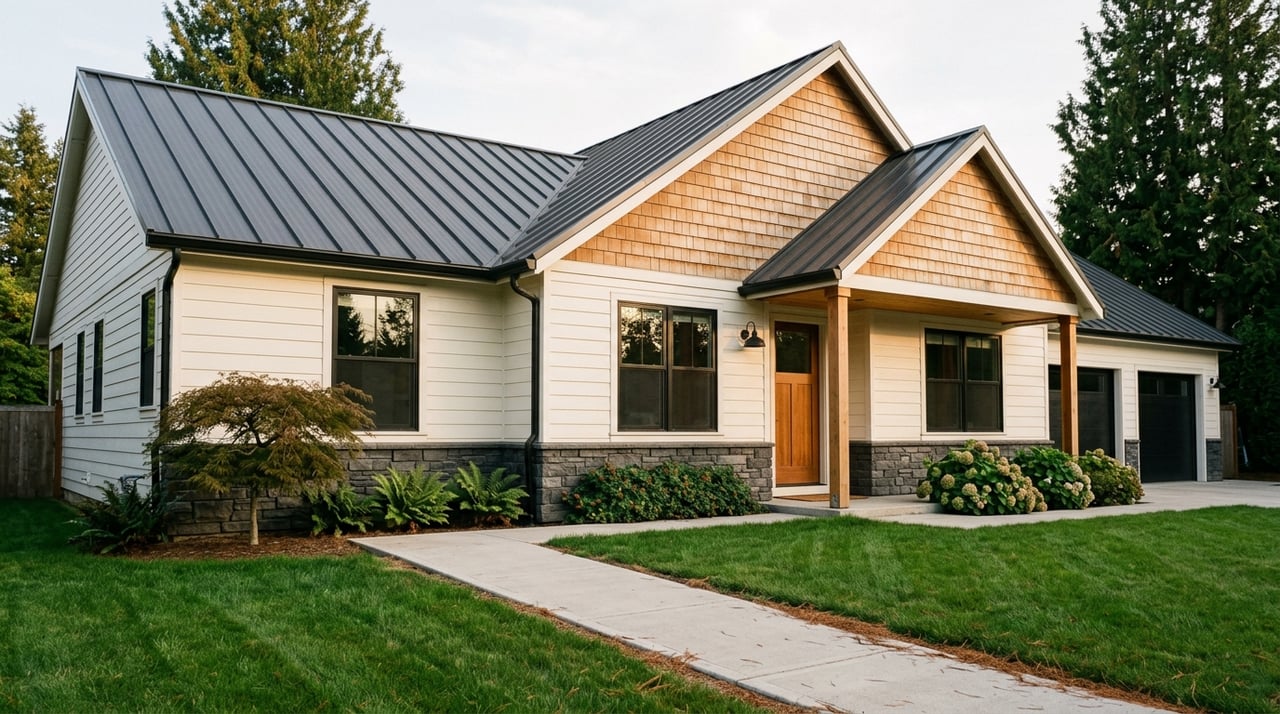
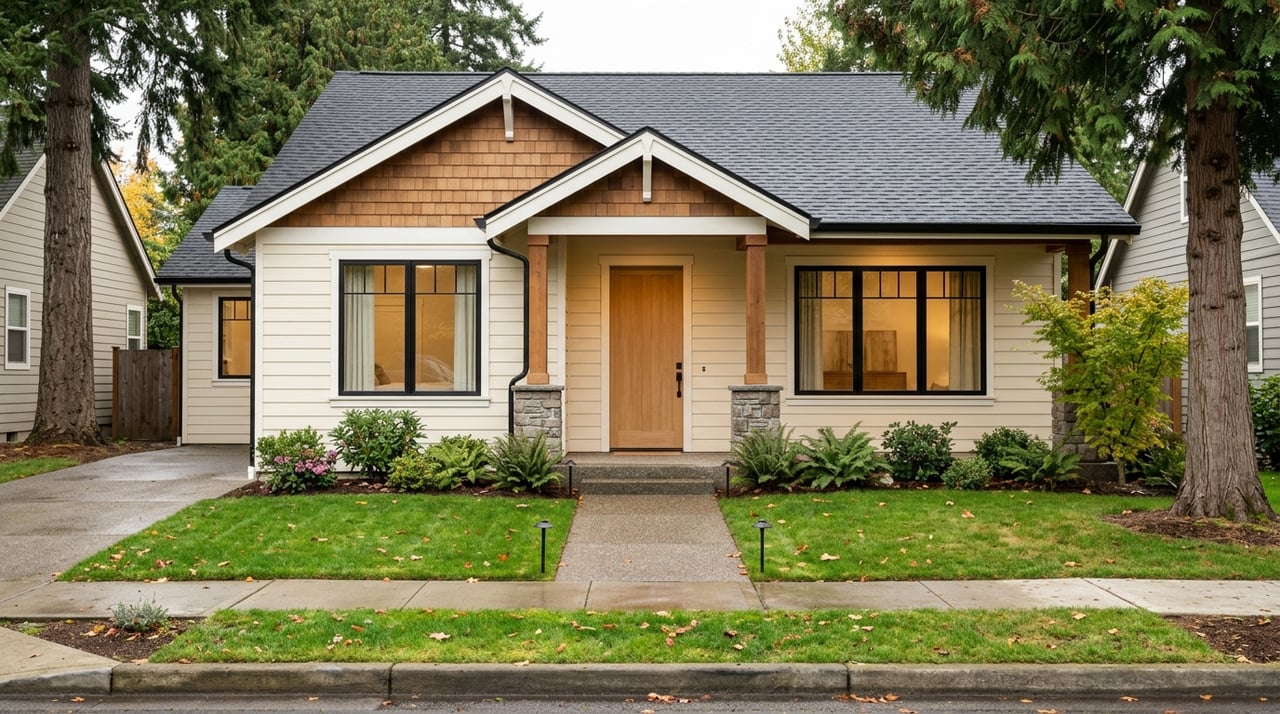
Taken together, that data points to Maple Valley as a detached-home market first. If you are looking for a single-family home, suburban lot patterns, or housing built in the last few decades, Maple Valley may line up well with your goals.
The comprehensive plan says most housing was built in 1980 or later, with the majority built between 1990 and 2010. That can be helpful for buyers who want a newer housing stock than what they may find in some older parts of the region.
Census QuickFacts reports an owner-occupied housing rate of 83.2% in Maple Valley. The same source lists the median value of owner-occupied housing units at $724,700 and the median gross rent at $2,304.
Those figures reinforce Maple Valley’s identity as a market where ownership plays a major role. If you want a condo-heavy or apartment-heavy housing mix, your options may feel more limited here than in more urban parts of King County.
When you put the pieces together, Maple Valley offers a clear lifestyle profile. It is a city where parks and trails are easy to work into your week, where community events create regular touchpoints, and where housing is shaped largely by single-family neighborhoods.
It also offers a practical kind of convenience. Shopping and dining are available across town, community gathering places operate year-round, and the overall feel is more residential than urban.
For buyers relocating from elsewhere in the Seattle area, that can be an important distinction. Maple Valley offers a different pace and pattern of living, with daily routines that often revolve around home, outdoor recreation, and local gathering spots.
If you are comparing Maple Valley with other South King County or Eastside communities, it helps to have clear local context. The right fit often comes down to how you want your daily life to feel, not just how many bedrooms a home has.
If you want help understanding how Maple Valley fits your goals, whether you are buying, selling, or relocating, Phil Rodocker can help you evaluate the market with clear advice and local insight.
Stay up to date on the latest real estate trends.
Markets change—but experience doesn’t lose its value. With decades of hands-on knowledge in the Pacific Northwest, we guide every client with clarity, strategy, and a steady approach. Whether you're buying, selling, or investing, we focus on making the process smooth, informed, and aligned with what matters most to you.
THE RODOCKER GROUP
JOHN L. SCOTT REAL ESTATE 4735 NE 4TH ST RENTON, WA 98059