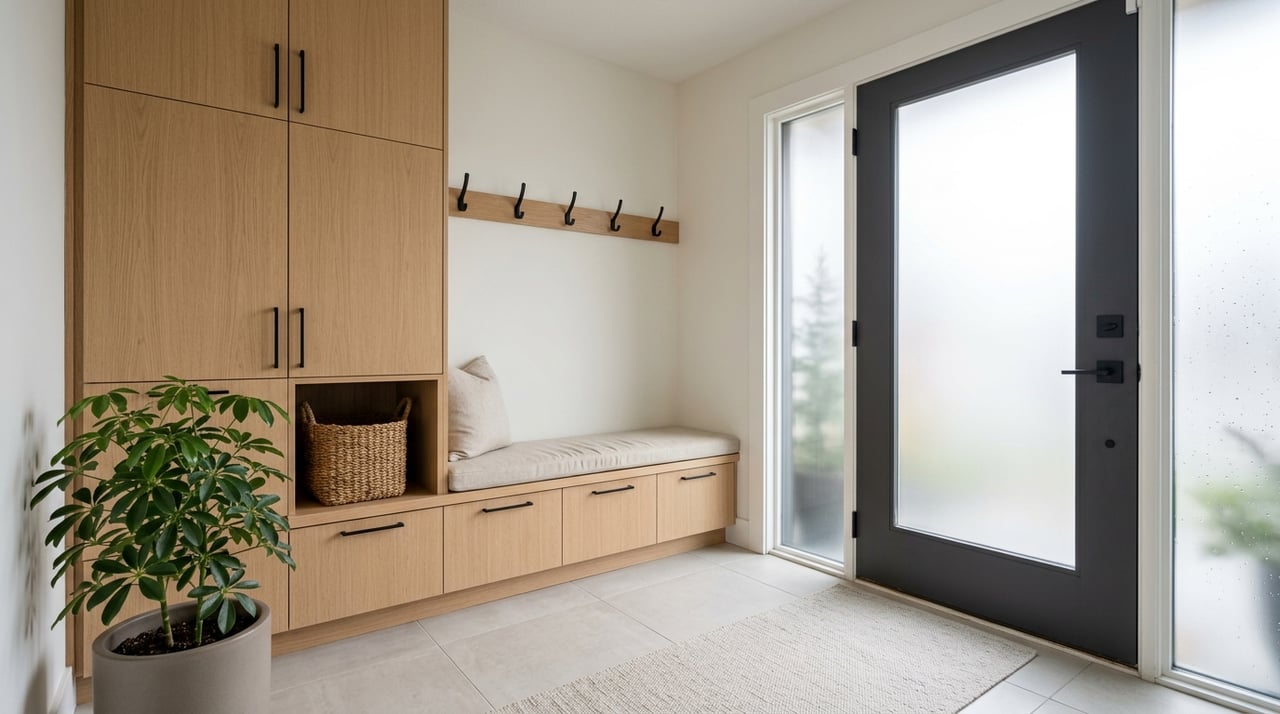
Downsizing In Issaquah: Steps To A Smooth Move
July 9, 2026
July 9, 2026
Wondering how to downsize in Issaquah without feeling rushed, overwhelmed, or stuck between two homes? You are not alone. For many longtime owners, downsizing is part financial decision, part lifestyle shift, and part moving project all at once. The good news is that with a clear plan, you can simplify the process, protect your proceeds, and move with more confidence. Let’s dive in.
In Issaquah, downsizing works best when you treat it as a planning exercise, not just a move. Local market snapshots from Redfin, Zillow, and Realtor.com differ in the exact numbers they report, but they point to the same pattern: homes can move quickly, values remain high, and there is not much room for delay when the right next home comes on the market.
That matters because downsizing usually involves two major decisions at once. You are preparing your current home for sale while also trying to define what kind of home will better fit your next stage of life.
Before you tour properties or start packing boxes, get specific about your goals. You may want lower maintenance, a smaller monthly housing burden, easier access to shopping and services, or a home that lets you drive less and enjoy more of Issaquah on foot or by transit.
Issaquah gives you several ways to think about that lifestyle shift. The city highlights more than 200 miles of trails, over 60 trailheads, and 1,300 acres of open space, so many downsizers are not just buying a smaller home. They are choosing how they want to spend their time.
Downsizing does not always mean buying the smallest possible home. It means finding a home that fits how you live now.
For some people, that means giving up yard work and exterior maintenance. For others, it means keeping a guest room, staying on one level, or moving closer to transit options and daily errands.
A helpful way to define your next move is to rank your priorities before you look at homes. That can keep you from trading one stress point for another.
When you answer these questions early, your home search becomes much more focused. That is especially useful in a market like Issaquah, where hesitation can make timing harder.
Issaquah offers more variety than many people expect. The city notes that it has grown beyond a mostly single-family bedroom community and now includes a broader mix of housing types across different life stages.
That gives downsizers more than one path forward. Instead of assuming you need to leave the area to simplify your life, you may find a better-fit option within Issaquah itself.
Central Issaquah is the city’s mixed-use core. Existing residential areas include condo buildings, older homes, townhomes, and duplexes.
If you want a more connected setting with a mix of housing types, this area may be worth a closer look. It can appeal to buyers who want to reduce upkeep while staying close to everyday services.
North Issaquah includes condo and townhome developments, a retirement community, and retail that may be a short walk or drive depending on the location. For downsizers comparing convenience and home type, this area offers several formats to evaluate.
If your goal is to simplify errands and maintenance, attached housing here may be a strong match. It can also be useful if you want to stay in Issaquah without managing a larger lot.
Issaquah Highlands is an Urban Village with built-green neighborhoods, public-transit options, and more than 4,000 homes. Buyers who want a planned community setting and access to transit may find this area appealing.
Because the housing mix is broad, it is smart to compare layout, monthly costs, and walkability instead of focusing only on square footage. A slightly smaller home with easier access may improve daily life more than a larger home with fewer conveniences.
Providence Point is a 55+ active community with seven villages and a range of home choices. Talus is a master-planned community with a variety of home types, and Timber Ridge in Talus provides independent care and assisted living for adults 55 and older.
These options show that downsizing in Issaquah can look very different depending on your priorities. Some buyers want independence with less maintenance, while others want a setting that can support changing needs over time.
One of the biggest downsizing mistakes is comparing homes by asking price alone. In reality, your monthly cost and your day-to-day convenience matter just as much.
If you are looking at condos, townhomes, or other attached homes, make sure you compare the full monthly picture. That includes mortgage payment, property taxes, insurance, and HOA dues.
HOA dues and rules deserve extra attention. They affect your budget, your maintenance responsibilities, and your exposure to future community repair costs.
This kind of comparison helps you avoid a move that looks simpler on paper but feels more expensive month to month. A lower-maintenance home is only a win if it also works for your budget and lifestyle.
For many downsizers, location is really about ease. If you want to drive less, spend less time in the car, or stay connected to the wider region, transit access can be a major factor.
Issaquah has the Sound Transit Issaquah Transit Center and King County Metro’s Issaquah Highlands Park & Ride. The city also notes that express buses connect Issaquah to downtown Seattle and Bellevue.
That does not mean every downsizer needs transit. It simply means access should be part of your checklist, especially if your goal is to simplify daily routines.
If you have lived in your home for many years, sale prep usually takes longer than expected. That is why the smartest downsizing moves begin well before listing day.
Fannie Mae recommends starting with affordability, reviewing local market conditions, deciding how to list, and preparing the home with repairs, cosmetic updates, and general maintenance. It also recommends a neutral, simple presentation with less clutter and furniture arranged to show the space well.
In practical terms, that means you should begin editing your home before you are under pressure. Downsizing and home prep overlap, so the work you do now can help both your sale and your move.
The National Association of Realtors’ 2025 staging report supports this approach. In that report, 29% of agents said staging increased the dollar value offered by 1% to 10%, and 49% said staging reduced time on market.
That does not mean every home needs a major redesign. It does mean presentation can affect buyer response, especially in rooms like the living room, primary bedroom, dining room, and kitchen.
This is one of the biggest questions downsizers face. In many cases, selling first creates the clearest financial picture.
CFPB notes that if you want to move, you normally try to sell your home before buying another one. That approach can help you understand your budget, reduce carrying risk, and make it easier to decide how much you want to spend on the next home.
Still, real life does not always line up neatly. If the right replacement property appears before your current home sells, timing can get complicated fast.
If buying before selling becomes necessary, bridge or swing loans may be worth discussing with a lender. Fannie Mae says these can be acceptable when the lender documents your ability to carry the current home, the new home, the bridge loan, and your other obligations.
Even if you expect strong equity from your current home, it helps to prepare your financing early. That gives you more clarity if you decide to move quickly.
CFPB advises buyers to assess spending, prepare finances early, and decide whether the timing is right before shopping for a mortgage. It also notes that you can request Loan Estimates from multiple lenders without a signed purchase agreement.
Lenders must provide a Loan Estimate within three business days after receiving the required information. CFPB also says multiple mortgage credit checks within a 45-day window count as one inquiry.
That makes comparison shopping more practical than many buyers assume. For downsizers, it can be especially helpful when weighing condos, townhomes, or homes with HOA dues that affect total monthly cost.
Downsizing is not just about what your current home will sell for. It is also about what you keep after expenses.
Fannie Mae says sellers should budget for home-improvement costs, closing costs, and moving expenses. In Washington, sellers should also remember real estate excise tax.
The Washington Department of Revenue says REET is a tax on the sale of real property and that the seller usually pays it. King County also says the excise tax must be paid before the conveyance documents are recorded.
When you look at these numbers early, you can make smarter decisions about timing, price point, and property type. That can prevent a frustrating gap between expected proceeds and actual buying power.
If you are downsizing later in life, do not overlook potential tax relief. Washington offers a property tax exemption program for seniors, people retired due to disability, and veterans with disabilities who meet the ownership, occupancy, and income requirements.
One eligibility path is being at least 61 years old and owning and occupying a primary residence in Washington. The Department of Revenue also notes that exemption and deferral thresholds for tax years 2027 through 2029 were posted using data available as of March 1, 2026 and may be adjusted if legislation changes after August 1, 2026.
That means it is worth verifying current rules and how they may affect your plans. If reducing monthly costs is one reason you are moving, tax relief may be part of the bigger financial picture.
A smooth downsizing move usually comes down to sequence. When each step supports the next one, the process feels more manageable.
A practical timeline often looks like this:
This approach gives you more control and fewer last-minute decisions. In a market like Issaquah, that preparation can make a meaningful difference.
Downsizing is a major transition, but it can also be a smart reset. With the right plan, you can simplify your home, align your costs with your goals, and move into the next chapter with less stress and more confidence. If you are weighing your options in Issaquah, Phil Rodocker can help you map out the sale, the search, and the timing with clear local guidance.
Stay up to date on the latest real estate trends.



Markets change—but experience doesn’t lose its value. With decades of hands-on knowledge in the Pacific Northwest, we guide every client with clarity, strategy, and a steady approach. Whether you're buying, selling, or investing, we focus on making the process smooth, informed, and aligned with what matters most to you.

THE RODOCKER GROUP
JOHN L. SCOTT REAL ESTATE 4735 NE 4TH ST RENTON, WA 98059